
Creating a safe and accessible home is essential for people living with disability. Everyday activities such as entering a house, preparing meals, using the bathroom, or moving between rooms can become easier with the right modifications. The National Disability Insurance Scheme (NDIS) supports eligible participants by funding changes that improve safety, independence, and quality of life. Understanding home modification NDIS funding can help participants make informed decisions about improving their living environment. From simple adjustments like grab rails to more complex structural changes, home modifications are designed to meet individual needs and support long-term independence.
This guide explains how NDIS home modifications work, who may be eligible, the assessment process, common modification types, and how experienced professionals such as Disability Access Construction contribute to creating accessible homes.
What Are NDIS Home Modifications?
Home modifications are permanent changes made to a property that improve accessibility, safety, and independence for people with disability. These changes are tailored to each participant’s functional needs rather than personal preferences. The aim is to remove barriers that may limit daily living while creating a home environment that supports greater independence and comfort.
Why Are Home Modifications Important?
Many homes are not originally designed to accommodate changing mobility or accessibility needs. Even small obstacles like steps, narrow doorways, or inaccessible bathrooms can make everyday activities challenging. Appropriate modifications can reduce injury risks, improve confidence, and help participants remain safely in their homes for longer. They may also reduce the need for ongoing support by enabling people to complete more tasks independently.
Examples of Common Home Modifications
Depending on individual requirements, modifications may include:
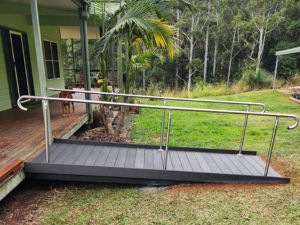
- Installing access ramps
- Widening internal doorways
- Bathroom accessibility upgrades
- Accessible kitchen layouts
- Handrails and grab rails
- Non-slip flooring
- Stair lifts
- Ceiling hoists
- Improved lighting
- Automatic door systems
Understanding NDIS Funding for Home Modifications
The NDIS funds reasonable and necessary supports that help participants achieve their goals and improve daily living. Home modifications are considered when changes to the property directly address disability-related functional limitations. Funding decisions are based on professional assessments, participant goals, and evidence that the modifications represent good value while improving accessibility and independence.
What Does the NDIS Consider?
Before approving modifications, the NDIS usually reviews several factors, including:
Functional needs
Current living arrangements
Safety concerns
Long-term benefits
Value for money
Alternative support options
Are All Modifications Funded?
No. The NDIS generally does not fund renovations that are purely cosmetic, increase property value without improving accessibility, or relate to normal home maintenance. Each application is assessed individually based on participant circumstances.
Who May Be Eligible for NDIS Home Modifications?
Eligibility depends on whether the proposed modifications are directly related to the participant’s disability and whether they meet NDIS funding criteria. Participants usually need evidence showing that the changes will improve daily function, increase safety, and support greater independence within their home environment while aligning with their approved NDIS goals.
Typical Eligibility Requirements
Participants may be eligible if they:
Have an approved NDIS plan
Require permanent modifications because of disability
Have professional recommendations supporting the changes
Live in a suitable property for modification
Receive landlord approval if renting
Every participant’s situation is different, so assessments focus on individual needs rather than applying a standard solution.
Supporting Documentation
Applications commonly include:
Occupational therapy assessment
Functional assessment reports
Building assessments
Design plans where required
Quotes from qualified contractors
The Home Modification Assessment Process
Planning successful home modifications involves more than construction work. It requires collaboration between healthcare professionals, participants, builders, and the NDIS to ensure every change meets accessibility standards and addresses long-term functional needs. A structured assessment process helps identify the most appropriate modifications before work begins.
Step 1: Functional Assessment
An occupational therapist assesses how the participant uses their home and identifies barriers affecting daily living.
The therapist considers mobility, personal care, transfers, cooking, and other everyday activities.
Step 2: Recommendations and Design
Following the assessment, recommendations are prepared outlining suitable modifications.
For larger projects, building designs and technical plans may also be developed.
Step 3: NDIS Review
The documentation is submitted to the NDIS for consideration.
Funding decisions depend on whether the modifications are considered reasonable and necessary.
Step 4: Construction
Once approved, qualified contractors complete the modifications while following Australian building regulations and accessibility requirements.
Types of Home Modifications Funded Through the NDIS
Different participants require different accessibility solutions. Modifications vary depending on mobility, physical ability, vision, or other functional needs. The goal is always to create a safer home that supports independence without making unnecessary structural changes.
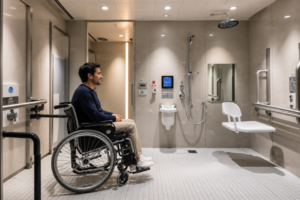
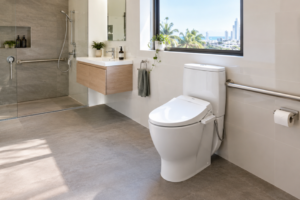
Bathroom Modifications
Bathrooms are one of the most common areas requiring accessibility improvements.
Typical upgrades include:
Roll-in showers
Accessible toilets
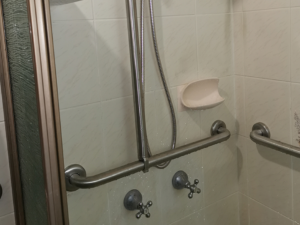
Grab rails
Slip-resistant flooring
Adjustable shower fittings
Kitchen Modifications
Accessible kitchens may include:
- Lowered benchtops
- Easy-reach cupboards
- Accessible sinks
- Improved circulation space
- Modified storage solutions
Entrance and Mobility Improvements
Safe entry and movement throughout the home are equally important.
Common improvements include:
- Wheelchair ramps
- Wider hallways
- Automatic doors
- Level pathways
- Handrails
Bedroom Accessibility
Bedroom modifications may include ceiling hoists, wider access, adjustable layouts, and improved transfer spaces to support daily routines.
Choosing Experienced NDIS Home Modifications Providers
Selecting experienced NDIS home modifications providers is an important part of achieving successful outcomes. Providers should understand accessibility standards, disability requirements, building regulations, and the collaborative process involved with occupational therapists and participants. Quality workmanship helps ensure modifications remain safe, practical, and suitable for long-term use.
What Should You Look For?
When comparing providers, consider:
- Experience with accessible construction
- Understanding of NDIS processes
- Licensed and qualified trades
- Clear communication
- Compliance with Australian standards
Working With Disability Access Construction
Disability Access Construction focuses on accessible building solutions that support participants’ functional needs while working alongside therapists and other professionals throughout the modification process.
Benefits of Home Modifications for Independent Living
The right modifications provide benefits that extend well beyond physical accessibility. Participants often experience greater confidence, improved mobility, reduced reliance on carers, and increased participation in everyday life. Creating a safer living environment can also reduce the likelihood of falls and other preventable accidents.
Everyday Benefits
Home modifications can help participants:
- Move around safely
- Complete personal care independently
- Reduce injury risks
- Improve confidence
- Support ageing in place
- Increase overall comfort
Supporting Families and Carers
Accessible homes also make caring responsibilities easier by improving manual handling, reducing physical strain, and creating safer environments for everyone involved.
Planning for Future Accessibility Needs
Accessibility needs may change over time, making future planning an important part of any home modification project. Disability Access Construction understands the importance of designing accessible spaces that continue to support participants as their needs evolve. Considering long-term mobility, ageing, and changing support requirements can reduce the need for repeated renovations. Flexible design solutions provide lasting value while helping participants remain comfortable, safe, and independent in their homes for many years.
Thinking Beyond Immediate Needs
Planning ahead can include:
- Future wheelchair access
- Flexible bathroom layouts
- Wider circulation spaces
- Accessible storage
- Adaptable living areas
Long-Term Value
Well-designed modifications continue supporting participants as their needs change, helping avoid unnecessary future renovations.
Conclusion
Creating an accessible home is about supporting independence, safety, and everyday confidence. Understanding the assessment process, eligibility requirements, and available modification options allows participants to make informed decisions that suit their individual needs. Working with experienced professionals, occupational therapists, and qualified builders helps ensure modifications meet Australian standards while supporting long-term accessibility goals. If you’re considering NDIS-funded home improvements, Disability Access Construction is here to help. Our experienced team works alongside participants and healthcare professionals to deliver practical, accessible solutions that support safer and more independent living. Contact us today to discuss your home modification needs and learn how we can assist with creating a home that meets your current and future accessibility requirements.
Frequently Asked Questions
What is covered under NDIS home modifications?
The NDIS may fund permanent modifications that improve accessibility, safety, and independence when they are considered reasonable and necessary for the participant.
Who decides which home modifications are required?
An occupational therapist usually completes a functional assessment and recommends modifications based on the participant’s individual needs and daily activities.
Can renters receive NDIS-funded home modifications?
Yes. Participants renting a property may still be eligible, provided landlord approval is obtained and the modifications meet NDIS funding requirements.
How long does NDIS approval take?
Approval time varies depending on the complexity of the project, supporting documentation, and the NDIS assessment process.
Why should I work with experienced home modification specialists?
Qualified professionals understand accessibility requirements, Australian building standards, and the collaborative process needed to deliver safe, functional modifications that support long-term independence.