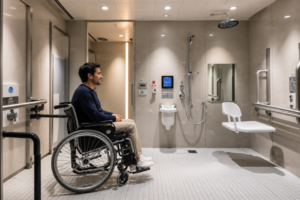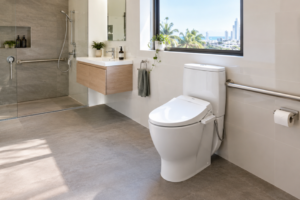
A bidet toilet can make everyday bathroom routines easier, cleaner and more manageable for people with mobility or accessibility needs. For some users, features such as controlled water washing, adjustable settings and hands-free operation can reduce the physical effort involved in personal hygiene. However, installing a bidet toilet is more than simply replacing an existing toilet seat or connecting a water supply. The bathroom layout, plumbing connections, electrical requirements, user needs and safety considerations all need to be assessed before installation.
For people accessing disability-related supports, NDIS bidet toilet installation may form part of a broader approach to improving independence at home. Understanding what professional installation involves can help participants, families, carers and occupational therapists make informed decisions about bathroom modifications.
What Is a Bidet Toilet?
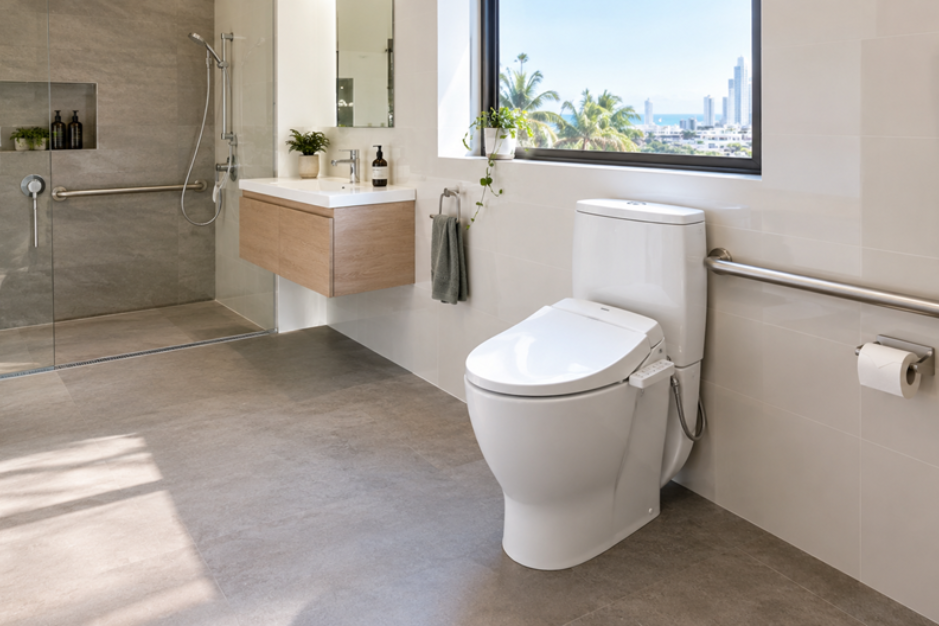
A bidet toilet is a toilet system or toilet seat that uses a controlled stream of water for personal cleaning. Depending on the model, it may include features such as adjustable water pressure, temperature control, heated seats, remote controls, air drying and user-friendly controls. Different products suit different bathroom layouts and individual requirements. Some are integrated toilet systems, while others are bidet seats designed to fit an existing toilet.
For people with limited mobility, reduced balance or difficulty reaching and cleaning independently, the right system can support a more manageable bathroom routine. The most suitable option depends on the user’s needs, the existing toilet, available space and the technical requirements of the selected equipment.
What Happens During a Professional Bidet Toilet Installation?
Professional installation usually involves more than fitting the bidet component to the toilet. Disability Access Construction considers the bathroom layout, plumbing, electrical requirements and accessibility needs before the work begins.
1. Assessing the Existing Toilet and Bathroom
The installer checks the toilet, available space, plumbing, electrical connections and surrounding fixtures. User access and transfer needs are also considered to ensure the bidet fits safely within the bathroom.
Important considerations may include:
1. Toilet size and configuration
2. Available clearance around the toilet
3. Position of water and electrical connections
4. User access and transfer requirements
5. Existing bathroom fixtures and modifications
This initial assessment helps identify whether the selected product is suitable for the existing environment.
2. Selecting the Right Bidet System
Different bidets offer different features, such as adjustable water pressure, temperature controls and remote operation. The system should suit the user’s needs and be compatible with the existing toilet.
3. Checking Plumbing Requirements
The installer checks the available water connection and determines whether additional plumbing work is needed. Connections should be secure, with suitable backflow prevention considered where required.
4. Considering Electrical Requirements
Powered bidets may require electricity for features such as heated seats, temperature control and air drying. Any electrical requirements should be assessed and installed appropriately for the bathroom environment.
5. Installing and Testing the Equipment
The bidet is securely fitted and connected according to the manufacturer’s requirements. Water, controls and other functions are then tested to ensure the system operates correctly and safely.
How Can a Bidet Toilet Support Accessibility?
A bidet toilet can make personal hygiene easier for people with limited mobility, reduced strength or difficulty reaching. Water-based cleaning may reduce the need for repeated wiping and reaching. Features such as remote controls, adjustable water pressure and temperature settings can also make the system easier to operate. However, suitability depends on the individual’s needs, bathroom layout and the selected equipment. An occupational therapist may help assess whether bidet technology is appropriate and how it can support the person’s daily routine.
How Does Bidet Installation Fit with NDIS Home Modifications?
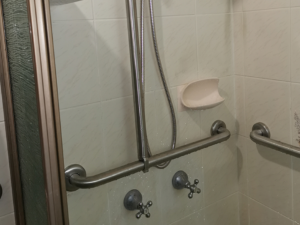
Bathroom modifications can include accessible showers, grab rails, improved space and assistive technology, depending on a person’s functional needs. NDIS home modification services may support changes that address disability-related needs. Whether a bidet or other modification is eligible depends on the individual’s circumstances and relevant NDIS requirements. A bidet should also be considered as part of the wider bathroom setup. Occupational therapist recommendations may help determine whether the equipment is suitable and where it should be positioned for safe, practical use.
Important Safety Considerations
A professional installation should consider both the equipment and the environment around it.
Water and Electrical Safety: Plumbing connections should be secure, and electrical components must be suitable for bathroom use and installed correctly.
Ease of Operation: Controls should be easy for the intended user to reach and operate without unnecessary difficulty.
Transfer and Positioning: The bidet should allow enough space for safe approach, transfer and movement around the toilet.
Cleaning and Maintenance: Regular cleaning and basic maintenance help keep the system hygienic and allow issues such as leaks or faults to be identified early.
Questions to Consider Before Installation
Before choosing a bidet toilet, it can help to consider how the equipment will be used every day rather than focusing only on its features.
Ask questions such as:
1. Can the intended user operate the controls independently?
2. Is the toilet suitable for the selected bidet system?
3. Is there enough space for safe transfers?
4. Does the bathroom have suitable plumbing connections?
5. Does the system require a dedicated electrical connection?
6. Will the equipment work alongside existing accessibility modifications?
7. Has the user’s functional need been considered?
8. Can the system be cleaned and maintained easily?
These questions can help identify practical issues before installation and reduce the risk of choosing equipment that does not suit the bathroom or user.
Choosing a Professional Installation Approach
Bidet installation can involve plumbing, electrical and accessibility considerations, so the equipment should be assessed as part of the wider bathroom setup. Disability Access Construction provides assistive technology and home modification services, including bidet installation, across the Gold Coast and surrounding areas. For NDIS bidet toilet installation, considering the user’s needs, bathroom layout and equipment requirements can help create a safe and practical setup that supports everyday use.
Conclusion
A professionally installed bidet toilet can support an accessible bathroom when the equipment, plumbing, electrical needs and user’s requirements are considered together. Proper planning also helps the bidet work effectively with existing bathroom modifications. For those exploring NDIS home modification services, assessing the overall bathroom setup can help identify suitable accessibility solutions. Disability Access Construction provides assistive technology and home modification services to support accessible bathroom requirements. Considering a bidet installation for an accessible bathroom? Reach out today to explore suitable installation options and find a setup that supports comfort, hygiene and greater independence.
Frequently Asked Questions
What is involved in NDIS bidet toilet installation?
It can involve assessing the existing toilet and bathroom, checking plumbing and electrical requirements, selecting compatible equipment, completing the installation and testing the system. Individual requirements should be considered before choosing a particular bidet.
Can a bidet toilet be installed on an existing toilet?
Some bidet seats are designed to fit existing toilet suites, while other systems require a compatible toilet unit. The existing toilet should be checked against the manufacturer’s installation requirements before selecting the equipment.
Is a bidet toilet suitable for people with limited mobility?
It can be suitable for some people with limited mobility because water-based cleaning and accessible controls may reduce certain physical tasks. Suitability depends on the person’s functional needs, bathroom layout and selected equipment.
Does a bidet toilet require electricity?
Some models require electricity for functions such as heated seats, temperature control, air drying and electronic controls. Other bidet systems may have fewer electrical requirements. The product specifications should be checked before installation.
Can bidet installation be part of NDIS home modifications?
A bidet may be considered as part of an accessibility-focused home modification or assistive technology solution when it relates to a participant’s functional needs and applicable NDIS requirements. Funding eligibility should be confirmed based on the individual’s circumstances.