

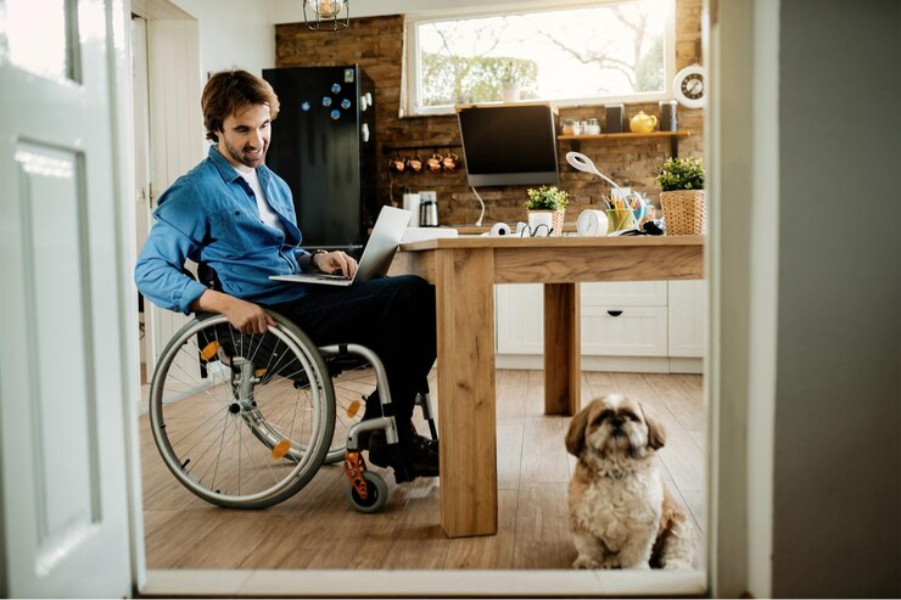
Living environments are evolving as more people look for practical ways to improve accessibility and independence at home. One of the most effective solutions today is NDIS home automation, which supports individuals in managing daily activities with greater ease and confidence. For many people, simple tasks such as turning on lights, opening doors, or adjusting appliances can be challenging without assistance. Automation systems help remove these barriers by making everyday functions more accessible and manageable.
Disability Access Construction focuses specifically on upgrading existing homes with smart automation solutions. Rather than building new properties, the focus is on improving current residential spaces using NDIS funding support. This approach ensures individuals can continue living comfortably in familiar environments while benefiting from modern technology.
What Is NDIS Home Automation?
NDIS home automation refers to smart systems installed in existing homes to improve accessibility, safety, and independence for individuals with disabilities.
Understanding the concept
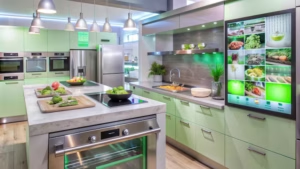
These systems allow users to control different parts of their home using voice commands, mobile devices, or assistive technology. Lighting, doors, appliances, and climate settings can all be managed with minimal physical effort. The goal is to simplify daily living while giving individuals more control over their surroundings.
Common features in automated homes
Automation in existing residential homes may include:
- Smart lighting systems
- Automated doors and entry systems
- Voice-controlled devices
- Climate and temperature control
- Emergency alert systems
- Remote monitoring and control
These features are designed to be practical, easy to use, and tailored to individual needs.
Why Home Automation Is Important for Existing Homes
Home automation plays a key role in making existing homes safer, more functional, and easier to live in.
1. Growing need for independence
Many individuals prefer to remain in their current homes rather than move to new environments. Automation makes this possible by reducing the need for constant assistance.It allows people to carry out everyday tasks independently, improving confidence and quality of life.
2. Enhancing safety and security
Smart systems improve safety by offering features like automated locks, motion detection, and emergency alerts. These systems can quickly respond to unusual situations and notify caregivers when needed. This creates a safer living environment for both residents and their families.
3. Supporting long-term living needs
As individual needs change over time, automation systems can be adjusted or upgraded without major structural changes. This makes them a practical long-term solution for existing homes.
Benefits of NDIS Home Automation in Daily Life
NDIS home automation delivers real, everyday benefits that improve how people live in their homes.
1. Greater control over the environment
Users can easily control lighting, appliances, and temperature, making daily living more comfortable and convenient.
2. Reduced reliance on support
Automation allows individuals to complete tasks on their own, reducing dependence on caregivers for routine activities.
3. Improved energy efficiency
Smart systems can automatically manage energy usage, helping reduce unnecessary consumption and lowering utility costs.
4. Better accessibility
Each system can be customised based on the user’s physical abilities, ensuring that controls are simple and accessible.
The Role of Providers in Home Automation
Providers play an important role in delivering effective automation solutions for existing homes.
1. Focused on existing homes
Disability Access Construction does not build new homes. The focus is entirely on installing automation systems in existing residential properties, making them safer and more accessible.
2. Working with specialists
Automation systems are installed in collaboration with technology experts to ensure reliability, ease of use, and long-term performance.
3. Aligned with NDIS requirements
All installations are completed in line with NDIS guidelines, ensuring that solutions meet funding criteria and individual needs.
Why the Gold Coast Is Seeing Increased Demand
Certain regions are experiencing faster adoption of home automation due to rising awareness and accessibility needs.
1. Growing demand for upgrades
The home automation Gold Coast market is expanding as more households look to improve their current living conditions rather than relocate.
2. Preference for independent living
Participants and families are choosing automation to maintain independence within their existing homes.
3. Access to experienced providers
The availability of skilled providers makes it easier for homeowners to install and maintain automation systems.
Key Considerations Before Installing Automation
Before installing automation, it is important to plan carefully to ensure the system meets individual needs.
1. Understanding user requirements
Every individual has different needs. Choosing the right features ensures the system is useful and easy to operate.
2. Choosing reliable systems
High-quality technology ensures better performance and reduces the risk of technical issues over time.
3. Planning for future needs
Automation systems should be flexible enough to allow upgrades as technology evolves or user needs change.
Common Challenges and Practical Solutions
While automation offers many benefits, there are some challenges that can be managed with proper planning.
1. Managing installation costs
NDIS funding may cover automation if it is considered necessary for improving independence and daily living.
2. Learning new systems
Users may need time to adjust to new technology. Proper training and support make the transition smoother.
3. Maintaining system reliability
Professional installation and regular maintenance help ensure systems continue to function effectively.
Future of Home Automation in Existing Homes
Home automation continues to evolve, offering even more advanced solutions for accessibility.
1. Advancements in voice control
Voice-controlled systems are becoming more accurate and easier to use.
2. Integration with assistive technology
Future systems will work more closely with mobility aids and communication devices.
3. Smarter monitoring systems
Improved data tracking will enhance safety and provide better support for users and caregivers.
Conclusion
NDIS home automation is transforming existing homes by making them safer, more accessible, and easier to manage. It allows individuals to maintain independence while reducing reliance on daily support. By focusing on upgrading existing residential homes, Disability Access Construction helps individuals stay in familiar environments while benefiting from modern automation solutions. With support from NDIS funding, these systems provide a practical and long-term way to improve quality of life. Contact the team today to explore the right automation solutions for your home.
Frequently Asked Questions
What is included in NDIS home automation?
It includes systems such as smart lighting, automated doors, climate control, and safety alerts.
Can NDIS funding cover automation?
Yes, if the automation is necessary to improve independence and daily living.
Does this apply to new homes?
No, automation in this context is focused on upgrading existing residential homes.
Why is automation important in existing homes?
It improves accessibility, safety, and independence without requiring relocation.
Who installs these systems?
Providers like Disability Access Construction install automation systems in existing homes using NDIS funding support.