

Choosing a builder for an NDIS home modification project involves more than comparing quotes. When researching NDIS registered builders, it is important to consider their accessibility experience, building credentials, understanding of individual needs and ability to coordinate with other professionals. The right builder should also communicate clearly and understand the practical requirements of creating a safer, more accessible home.
Disability Access Construction provides accessibility-focused building services, including bathroom and kitchen modifications, ramps, grab rails, lifts and home automation solutions. These services can help address different accessibility requirements and support safer, more practical use of the home. The following guide explains what to look for before choosing a builder, what questions to ask and how to compare your options.
Understand Your Project Requirements
Before contacting builders, take some time to understand what changes your home may need. A clear idea of your goals makes it easier to explain the project and compare responses from different builders. NDIS home modifications can range from straightforward changes to more complex structural work. Modifications may help people move safely around their homes, use bathrooms, access rooms or receive support from carers.
Start by considering:
- The areas of your home that are difficult to access or use.
- The daily tasks that you want to make easier or safer.
- Whether you need changes to bathrooms, kitchens, entrances or other areas.
- Whether your project may involve structural building work.
- What recommendations have been made by your occupational therapist or home modification assessor.
Check Registration And Building Credentials
Registration and relevant qualifications should be among the first things you check. A builder working on an accessibility project should have the appropriate building credentials for the work being proposed. Registered NDIS providers are assessed against relevant NDIS Practice Standards and must meet applicable requirements. You can also check the NDIS Provider Register to confirm a provider’s registration status where relevant.
Before making a decision, ask for:
Current NDIS registration details where applicable.
The builder’s relevant state or territory building licence details.
Evidence of appropriate insurance.
Information about qualifications and relevant trade professionals.
Details of experience with accessibility-related construction.
Look For Relevant Accessibility Experience
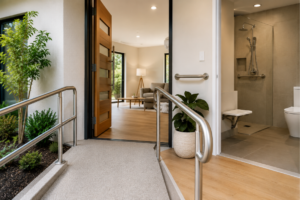
General building experience can be useful, but accessibility projects have their own practical considerations. A builder should understand how changes to a home affect movement, safety, access and everyday use. For example, a bathroom modification may involve changes to the shower area, flooring, rails, plumbing or layout. An entrance project may involve ramps, pathways, thresholds or other access solutions.
Disability Access Construction provides a range of accessibility-focused building services, including:
Major Bathroom Modifications: Adapt bathrooms to improve accessibility, safety and ease of use for everyday routines.
Kitchen And Laundry Modifications: Adjust layouts and features to make essential household areas easier and safer to access.
Grab Rails And Handrails: Install supportive rails in suitable areas to provide greater stability and confidence when moving around the home.
Bidet Installation: Install bidet systems as an assistive technology solution to support personal hygiene, comfort and greater independence with everyday bathroom routines.
Lifts: Provide suitable lift solutions to improve access between different levels of a property where stairs may be difficult to use.
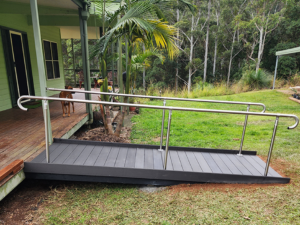
Access And Wheelchair Ramps: Create practical entry and exit access for people using wheelchairs or experiencing difficulty with steps.
Home Automation: Incorporate automated solutions that can make doors and other parts of the home easier to operate independently.
Assess Their Planning And Communication
Good communication can make a building project much easier to manage. You should know who your main contact is, how updates will be provided and what happens if something changes during the work. For complex home modifications, the process may involve assessment, supporting evidence, quotes or cost estimates where required, and submission of relevant information.
A reliable builder should be able to explain:
What information they need before preparing a quote.
What work is included in the proposed scope.
Which professionals may need to be involved.
What approvals may be required.
How changes or unexpected site issues will be handled.
Review the Scope of Work Carefully
A detailed scope of work helps everyone understand what is being proposed. It should describe the work clearly enough for you to compare different options without relying on assumptions. This is especially useful for larger or complex modifications. Detailed documentation can include dimensions, separate stages of work and information about fixtures or items being supplied.
Check whether the documentation explains:
Which areas of the property will be modified.
What building work will be completed.
Which fixtures, fittings or materials are included.
Whether demolition or removal work is included.
Whether plumbing, electrical or other trades are required.
What approvals, certifications or professional services may be needed.
Consider How They Work With Other Professionals
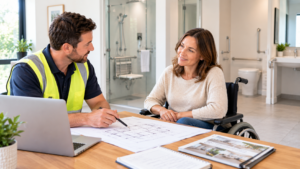
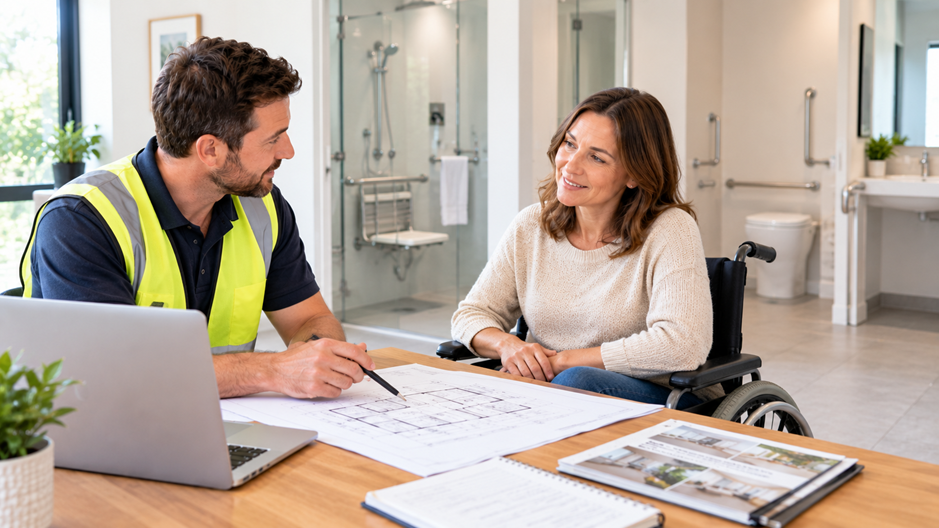
NDIS modification projects may involve more than a participant and a builder. Depending on the project, an occupational therapist, building construction practitioner, engineer, architect, surveyor or project manager may also be involved. A building construction practitioner can provide advice about the design and planning of complex modifications and work with the home modification assessor. Ask your builder how they will communicate with other professionals.
Good coordination may include:
Reviewing recommendations before construction begins.
Discussing practical building limitations.
Checking proposed layouts and access requirements.
Keeping relevant people informed about project changes.
Providing documentation when required.
Compare Builders On More Than Price
Price is one factor, but it should not be the only factor. A cheaper proposal may not offer the same level of detail, experience or project support as another option. When comparing NDIS building contractors, look at the complete proposal rather than focusing on one figure. Consider the builder’s experience, communication, scope of work, qualifications and understanding of accessibility.
You can compare:
Relevant project experience.
Quality and detail of the written proposal.
Understanding of your specific requirements.
Communication and availability.
Proposed materials and fixtures.
Expected project stages.
Relevant licences and insurance.
References or examples of previous work.
Ask Questions Before You Sign
A short conversation before choosing a builder can reveal a lot about their approach. Prepare your questions in advance so you can compare the answers from different businesses.
Useful questions include:
Are you currently registered for the services relevant to my project?
What building licences apply to the proposed work?
Have you completed similar modifications?
Who will manage the project?
How will you communicate with my occupational therapist?
What approvals may be needed?
What does your written scope include?
How will changes to the project be managed?
What documentation will I receive when the work is completed?
Check Compliance And Practical Safety
Accessibility work needs to be practical as well as compliant. A modification should suit the person using the home and be completed according to the relevant building requirements. NDIS home modifications need to be completed by qualified tradespeople and meet applicable Australian standards and requirements.
Your builder should consider factors such as:
Safe movement through the modified area.
Suitable access points and clearances.
Appropriate surfaces and fixtures.
Structural requirements where applicable.
Plumbing and electrical requirements.
Required permits, approvals and certifications.
Recommendations provided by relevant professionals.
Understand The Agreement Before Work Begins
Before construction starts, make sure you understand the agreement and what you are accepting. Read the scope, responsibilities, payment arrangements, project stages and conditions carefully. For NDIS home modifications, written agreements and building contracts may be required depending on the project and applicable state or territory requirements.
Check that your agreement explains:
The work being undertaken.
The responsibilities of each party.
How variations will be handled.
Expected project stages.
Payment arrangements.
How delays or unexpected issues will be managed.
What happens at practical completion.
Choose A Builder That Fits Your Needs
The right choice is not always the builder with the shortest quote or the fastest start date. A good fit is a builder who understands the project, communicates clearly and can demonstrate relevant experience. Disability Access Construction focuses on accessibility-related services and has more than 20 years of experience serving the area. Its listed services include bathroom and kitchen modifications, access ramps, grab rails, lifts and home automation. Take time to compare your options and consider the full picture before selecting a builder.
Conclusion: Make Your Next Step With Confidence
Choosing the right NDIS building contractors requires careful checking rather than a quick decision. Start by understanding your needs, then verify registration and building credentials, review relevant experience and compare detailed scopes of work. Communication also matters. The builder should be willing to explain the process, work with the relevant professionals and answer your questions clearly. A well-planned project can make it easier to create a home environment that supports safer and more independent everyday living. If you have an accessibility project to discuss, Contact Us to talk through your requirements and determine the appropriate next step.
Frequently Asked Questions
What Should I Look For In An NDIS Builder?
Look for relevant registration, building qualifications, accessibility experience, clear communication, suitable insurance and a detailed written scope. It is also useful to check previous work and client feedback.
Do I Need An Occupational Therapist For Home Modifications?
Many NDIS home modifications involve an assessment and recommendations from a home modification assessor, depending on the type of work. Complex projects can also involve building professionals.
How Do I Check If A Provider Is Registered?
You can use the NDIS Quality and Safeguards Commission’s Provider Register to check whether a provider is currently registered and review available registration information.
What Should Be Included In A Builder's Quote?
The level of detail depends on the project. For complex modifications, applicable NDIS requirements may call for itemised quotes or cost estimates with details such as dimensions, stages of work and supplied fixtures or items.
Can NDIS Home Modifications Include Bathroom Changes?
Yes. Home modifications can include changes that improve access and safety in areas such as bathrooms. The type of modification and evidence required will depend on the proposed work and individual circumstances.