

Making a home safer and easier to use can improve everyday life for people living with disability. Home modifications are often an important part of creating a more accessible environment that supports independence and comfort. Working with experienced NDIS building contractors helps ensure these changes are planned carefully and completed to suit individual needs.
Whether you need a bathroom upgrade, a ramp, wider doorways, or smart home automation, understanding the process can make the experience less stressful. Disability Access Construction works with homeowners to install practical accessibility solutions in existing residential homes, helping participants make the most of their living spaces through approved home modifications. This guide explains what to expect when working with contractors, how projects are managed, and the factors to consider before work begins.
Understanding the Role of NDIS Building Contractors
Choosing the right contractor is one of the most important steps in any home modification project. NDIS building contractors specialise in improving existing homes to make them safer, more functional, and easier to access. Their work focuses on practical solutions that support daily living while following Australian building standards and NDIS requirements where applicable.
Projects vary depending on individual needs and may include:
Bathroom accessibility upgrades
Kitchen modifications
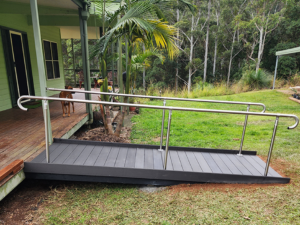
Wheelchair ramps
Handrails and grab rails
Doorway widening
Accessible pathways
Home automation installations
Why Home Modifications Matter
Home modifications are more than construction projects. They help create environments that support everyday activities while reducing safety risks. Simple changes can improve mobility throughout the home, make personal care easier, and allow greater independence for both participants and carers.
Some common benefits include:
Improved Safety : Removing common hazards can reduce the risk of slips, falls, and injuries. Features such as grab rails, non-slip flooring, and accessible entrances create safer living spaces.
Greater Independence : Practical modifications allow people to complete everyday tasks with less assistance. This can improve confidence and make daily routines easier.
Better Comfort : Well-designed modifications help make homes more comfortable and easier to move around, regardless of changing mobility needs.
Long-Term Accessibility : Planning modifications with future needs in mind can reduce the need for additional building work later.
The First Consultation
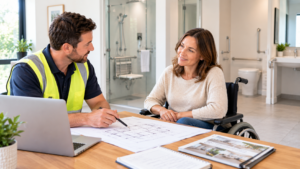
Every home modification project starts with understanding the participant’s goals. During the initial consultation, contractors discuss:
Current Challenges
The conversation focuses on the areas of the home that are difficult to access or use safely.
Examples may include:
Entering and leaving the home
Using the bathroom
Preparing meals
Moving between rooms
Operating lighting or household controls
Home Assessment
A detailed assessment helps determine which modifications are practical within the existing home.
Contractors consider:
Available space
Structural limitations
Safety requirements
Accessibility improvements
Existing building features
Who May Need NDIS Home Modifications?
NDIS home modifications may benefit participants with different mobility and accessibility needs, including:
Wheelchair users
People with reduced mobility
Individuals with neurological conditions
People with progressive conditions
Ageing participants who require improved accessibility
Planning the Home Modification Project
Once the assessment is complete, planning begins. Each project is different because every home and participant has unique requirements. Good planning helps minimise disruptions while ensuring work is completed efficiently.
Key planning stages often include:
Reviewing Approved Supports : The proposed modifications are matched with the participant’s approved funding and project scope where applicable.
Developing a Practical Design : Designs focus on functionality rather than unnecessary changes. The goal is to improve accessibility while working within the home’s existing layout.
Preparing the Work Schedule : A project timeline outlines when construction will begin, expected completion dates, and any temporary disruptions homeowners should expect.
Common Home Modifications
Many accessibility improvements are straightforward but make a significant difference in everyday living.
Bathroom Improvements
Bathrooms are one of the most common areas requiring modification.
Examples include:
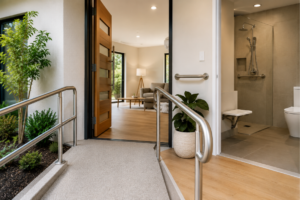
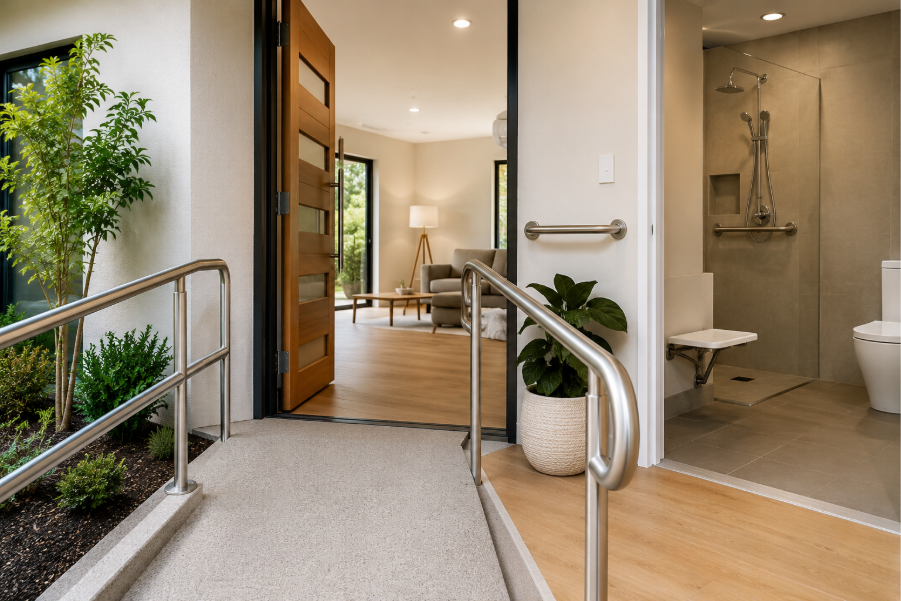
Walk-in showers
Grab rails
Accessible basins
Non-slip flooring
Improved circulation space
Kitchen Modifications
Accessible kitchens support greater independence.
Possible improvements include:
Lower benchtops
Accessible storage
Easier-to-use fixtures
Improved workspace layouts
Entry and Access Solutions
Safe access begins outside the home.
Common improvements include:
Ramps
Handrails
Level pathways
Wider entrances
Threshold adjustments
Home Automation for Everyday Living
Technology has become an important part of accessible homes. Many homeowners now choose automation systems that make daily tasks easier without major structural changes.
Examples include:
Automated lighting
Smart door locks
Voice-controlled devices
Automated blinds
Remote-controlled switches
Working With NDIS Home Modifications Providers
While builders complete the physical work, NDIS home modifications providers often work alongside participants, support coordinators, occupational therapists, and contractors to help ensure approved modifications meet the required recommendations. A collaborative approach allows everyone involved to understand the project’s goals and helps keep the work aligned with the participant’s needs. Clear communication between all parties also reduces delays and supports smoother project delivery.
What Happens During Construction?
Once planning is complete and approvals are in place, construction can begin. The amount of work depends on the type of modification being completed. Smaller projects may take only a few days, while larger renovations can take several weeks. Throughout construction, homeowners should expect regular updates about progress, timelines, and any changes that may affect daily routines.
Preparing Your Home
Before work starts, contractors may recommend a few simple preparations, including:
Moving furniture away from work areas
Protecting valuable belongings
Keeping access paths clear
Planning alternative access if required
Discussing temporary disruptions with family members
Maintaining Safety During Construction
Safety remains a priority throughout every stage of the project. Professional contractors follow Australian building standards and safe work practices to minimise risks for residents, visitors, and workers. Temporary barriers, protective coverings, and organised work areas help reduce disruptions while maintaining a safe environment.
Communication Throughout the Project
Good communication is one of the most important parts of a successful home modification. Homeowners should feel informed from the beginning of the project until completion.
Regular communication may include:
Progress updates
Changes to schedules
Discussion of unexpected findings
Completion milestones
Final inspections
Common Challenges During Home Modifications
Most renovation projects are carefully planned, but there can be a few temporary challenges during the process, including:
Approval timeframes before work begins
Temporary disruption to daily routines
Scheduling construction around availability
Maintaining safe access during construction
Choosing the Right Contractor
Selecting a contractor involves more than comparing prices. Experience with accessibility projects, attention to detail, and clear communication all contribute to a better outcome. At Disability Access Construction, every home modification project is carefully planned to meet individual accessibility needs while maintaining high standards of workmanship.
When comparing contractors, consider whether they:
Understand Accessible Design : Accessibility requires practical planning rather than standard renovations. Contractors should understand how modifications improve safety, mobility, and everyday living.
Communicate Clearly : A good contractor explains the process in simple language, answers questions honestly, and keeps clients informed throughout the project.
Deliver Quality Work : High-quality workmanship helps ensure modifications remain safe, durable, and suitable for long-term use.
Final Thoughts
Working with experienced NDIS building contractors helps make the home modification process more organised and easier to understand. From the first consultation through to project completion, careful planning, clear communication, and practical design all contribute to safer and more accessible living spaces. Whether the project involves bathroom improvements, ramps, kitchen upgrades, or home automation installed in an existing residential home, every modification should focus on improving everyday comfort, safety, and independence. If you would like to learn more about accessible home modifications for your existing home, Disability Access Construction can provide further information about available solutions. Contact us today to discuss your home modification requirements.
Frequently Asked Questions
What do NDIS building contractors do?
They carry out approved home modifications in existing residential homes to improve accessibility, safety, and independence for eligible NDIS participants.
How are home modifications planned?
The process usually begins with a home assessment, followed by recommendations, planning, approvals where required, and construction based on the participant’s individual needs.
Can home automation be installed in an existing home?
Yes. Smart lighting, automated blinds, door controls, and other automation systems can often be installed in existing homes to improve accessibility and everyday convenience.
How long do home modification projects take?
Project timeframes vary depending on the size and complexity of the work. Smaller modifications may take a few days, while larger renovations can take several weeks.
Do contractors build new homes under the NDIS?
No. Home modification contractors generally work on improving existing residential homes by installing accessibility features and approved modifications. They do not build new homes as part of these services.
Lorem ipsum dolor sit amet, consectetur adipiscing elit. Ut elit tellus, luctus nec ullamcorper mattis, pulvinar dapibus leo.